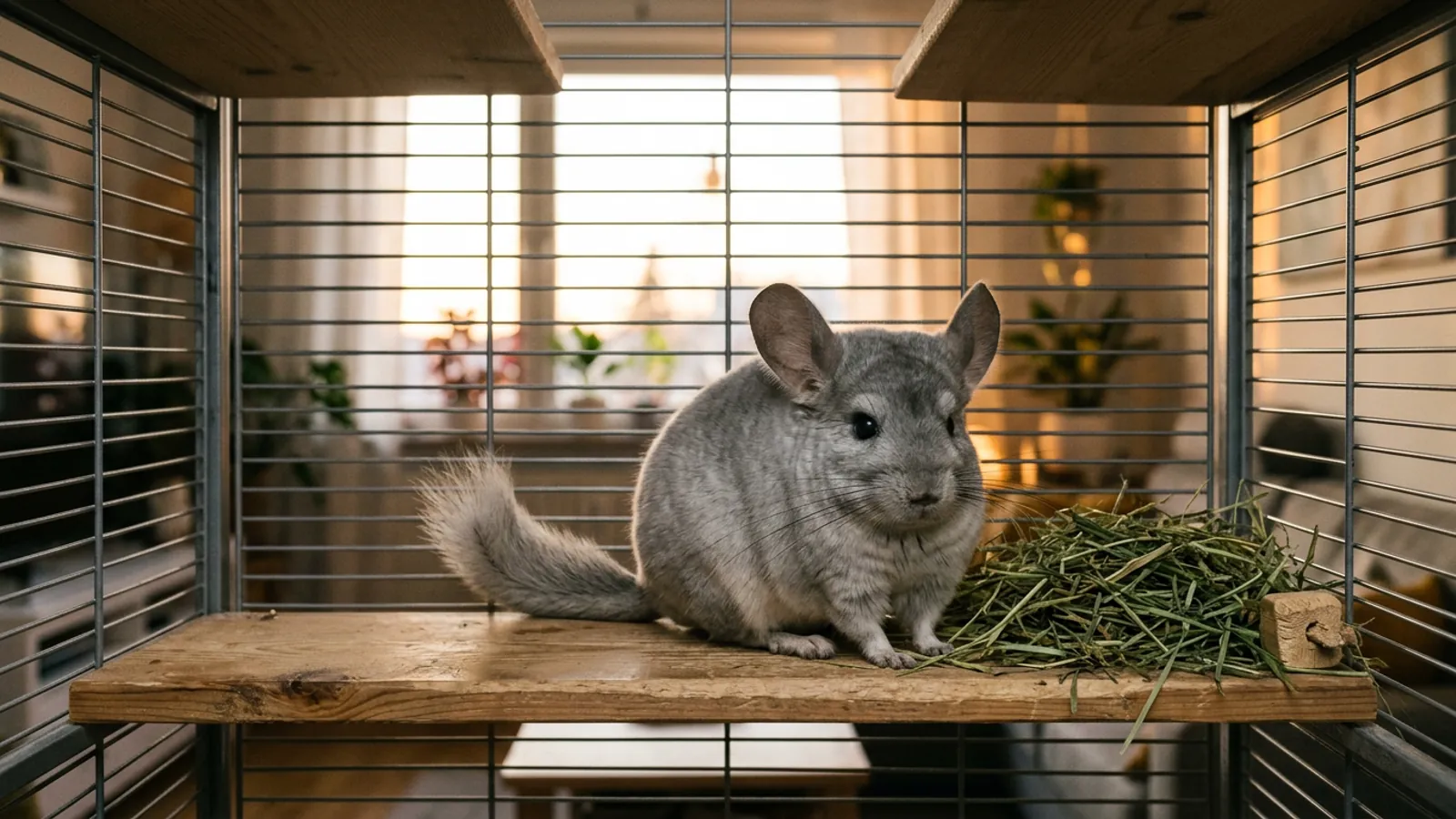
Type "chinchilla near me" into a search bar and you get back a jumble: a chain pet store, a classified ad or two, maybe a rescue you did not know existed, and a breeder three hours away who looks more serious than any of them. The phrase feels simple, but the results are not, because a chinchilla is not a hamster you grab off a shelf on impulse. This is an animal that can live fifteen to twenty years, holds narrow temperature limits, and grows teeth that never stop. Where you get one shapes the next two decades of your life and its. I have kept chinchillas for about ten years, both of mine arrived as rehomes, and I want to walk you through what a search for chinchillas near me returns, and how to tell the good doors from the ones that will cost you an animal.
What a "chinchilla near me" search really turns up
Four kinds of source show up when you look, and they are not equal. Knowing which is which before you drive anywhere saves you heartbreak.
First, chain pet stores and small independent shops. These are the "pet stores that sell chinchillas near me" results, and they are the most visible because they pay to be. Second, private sellers on classified sites and local social groups, the "buy chinchilla near me" and "chinchilla to buy near me" listings, which range from a devoted keeper downsizing to someone flipping animals they never cared for. Third, rescues and rehoming, which almost never buy ads and so almost never appear first, even though they are often the best option. Fourth, actual breeders, who tend to have thin websites, long waitlists, and no interest in impulse buyers.
The order the search engine gives you is the reverse of the order I would rank them. The loudest results are usually the worst places to buy a chinchilla near me, and the quietest are usually the best. So the first skill is not searching harder. It is reading the results with suspicion.
Why pet stores that sell chinchillas near me are usually the wrong first stop
I do not say this to be a snob. I say it because I have watched too many people bring home a sick animal from a shop that looked perfectly clean.
The trouble with most places that sell chinchillas near me at retail is not always the store itself. It is the supply chain behind it and the conditions on the floor. Chinchillas are prey animals from a cold, dry, high-altitude climate. A bright shop floor sitting at 74 to 78°F, with a wire-floored cage, a plastic hut, and a water bottle over a bag of colorful muesli, is already several husbandry mistakes deep before you walk in. Anything above 75°F (24°C) is risky for a chinchilla, and 80°F (27°C) and up is a genuine emergency, faster still in humid air. A store that keeps the animals that warm has already told you how much it knows. If you want the full picture of why heat is the thing I am relentless about, I wrote it out in the chinchilla heat safety guide.
The staff usually cannot tell you the animal's age, its parents, whether it has ever been handled, or whether it has a bite misalignment brewing. That last one matters enormously, because dental disease is the quiet killer in this species and you cannot always see it from outside. My Juniper came to me with dental problems I now manage every single day, and I can tell you that buying a chinchilla with unknown dental history is buying a question mark that can turn into vet bills for years.
None of this means every shop is a trap. A rare few small independents keep the animals cool, feed hay first, and know their stock. But treat a store as guilty until it proves otherwise, and let the animal's living conditions be the evidence.
Rescue and rehoming near you: the option most people scroll past
Here is the door I wish more people opened. Search "chinchilla rehoming near me" or "chinchilla rescue" instead of "buy," and a different world appears.
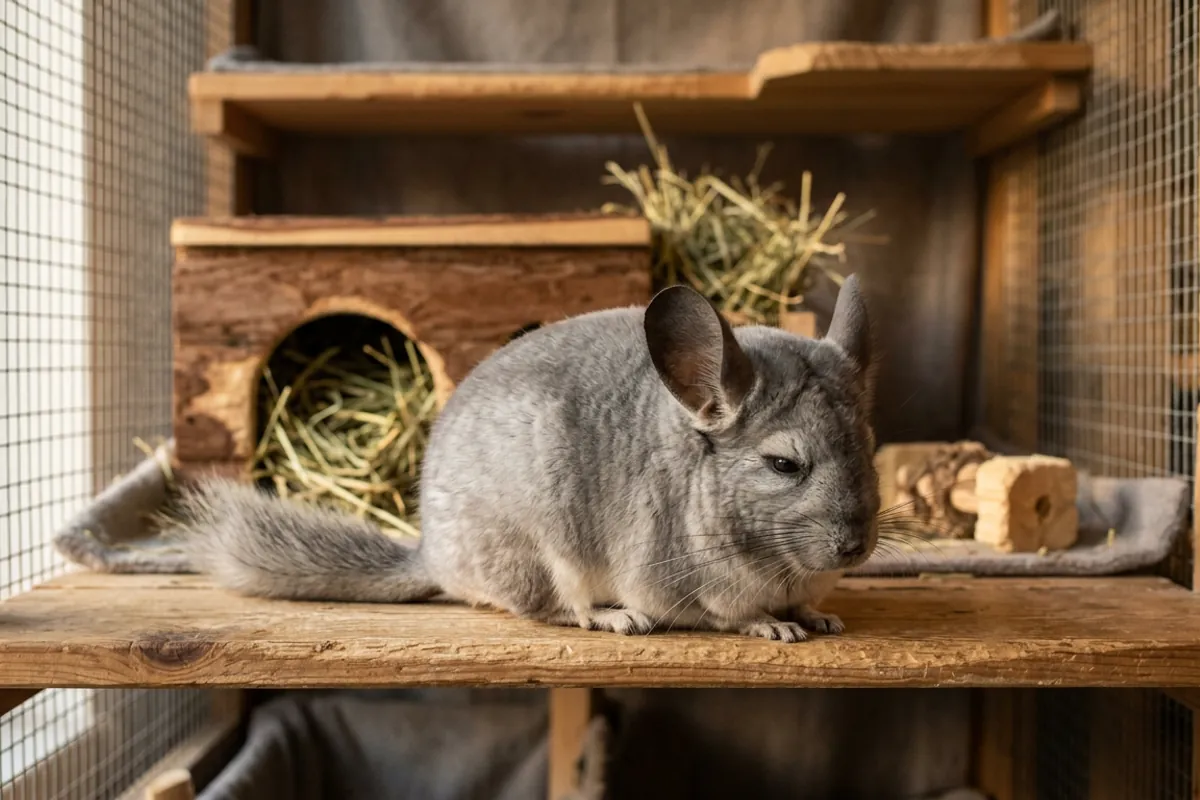
Chinchillas get surrendered constantly, and rarely for anything wrong with them. They live longer than people expect, they are more work than the shop implied, a child lost interest, a family moved somewhere too hot. The result is a steady stream of healthy adult chinchillas needing homes, often already tame, sometimes bonded pairs who must stay together. When you look into rehoming chinchillas near me, you are usually meeting animals whose full history someone can tell you: what they eat, how they behave, what they are scared of. That history is worth more than a lower price tag ever could be.
Both of mine came this way. Pebble was a rehome out of an overheated attic, and her first summer with me brought a heat scare and a night at the emergency vet that shaped everything I now believe about keeping this animal cool. I would not trade either of them for a "fresh" baby from a shelf. A rescue that asks you hard questions, wants to see your setup, and makes you feel slightly judged is doing its job. Let it. The friction is the point, and it is the same friction a good breeder brings.
To find rescues that a plain search buries, look for small-animal or exotic rescues in your region, check with exotics vet clinics who often know where local surrenders go, and watch breed-specific groups where owners post rehomes directly. It takes more patience than clicking the top result, but patience is exactly the trait this animal needs from you anyway.
Finding a real breeder within driving distance
If you want a young chinchilla with a known background, a good breeder is the strongest of the "places to get a chinchilla near me" options, and also the hardest to find, because the good ones do not market like retailers.
A breeder worth driving to keeps their animals cool and dry, feeds unlimited grass hay with only measured pellets on the side, and can talk about lineage, temperament, and health without flinching. They will ask you as many questions as you ask them. They will not have a dozen colors ready to ship today, and they may put you on a waitlist, because responsible breeding is slow. Expect to be interviewed. Expect them to refuse a sale if your home runs hot or your setup is not ready. That refusal is a green flag, not a rude one.
Be wary of the opposite: anyone advertising many "morphs" always in stock, selling babies that look too small, unwilling to let you see where the animals live, or pushing you to decide today. Volume and urgency are the tells of someone treating a fifteen-year animal like inventory. A real breeder would rather hold a kit an extra month than send it to a home that is not ready.
Distance is worth eating here. I would drive three hours to a keeper who does it right before I would walk ten minutes to a shop that does it wrong. You are not buying a bag of feed. You are choosing a household member who may outlive several of your cars.
What "free chinchillas near me" costs
Every so often a "free chinchillas near me" listing appears, and I understand the pull. Free sounds like a gift. Sometimes it genuinely is: a good owner who cares more about the right home than a few dollars and will not sell to a flipper.
But "free" almost never means cheap, and it never means low-effort. The chinchilla itself is the least expensive part of this whole endeavor. The cage, the ongoing hay, the dust, the vet fund, the emergency vet visit you will eventually need, all of that dwarfs the purchase price whether you paid it or not. I laid the real numbers out in what a chinchilla costs, and the animal's price is a rounding error against the years of care. So a free chinchilla changes almost nothing about the commitment.
What "free" can hide is a reason. Sometimes the animal is being given away because it is sick, aggressive from mishandling, or old with dental disease the owner does not want to pay to manage. None of those are automatic dealbreakers, I took on a dental case knowingly with Juniper, but they are things you must know before you agree, not discover after. Ask why the animal is free. Ask to see it eat. Ask about its teeth and its age. A giver with nothing to hide will answer plainly. If the story keeps shifting, that is your answer.
How to judge the animal before you commit
Wherever you end up, the same checklist protects you, whether you are looking at a shop, a rehome, or a private "chinchilla buy near me" listing. Bring your eyes and your patience, not your wallet first.
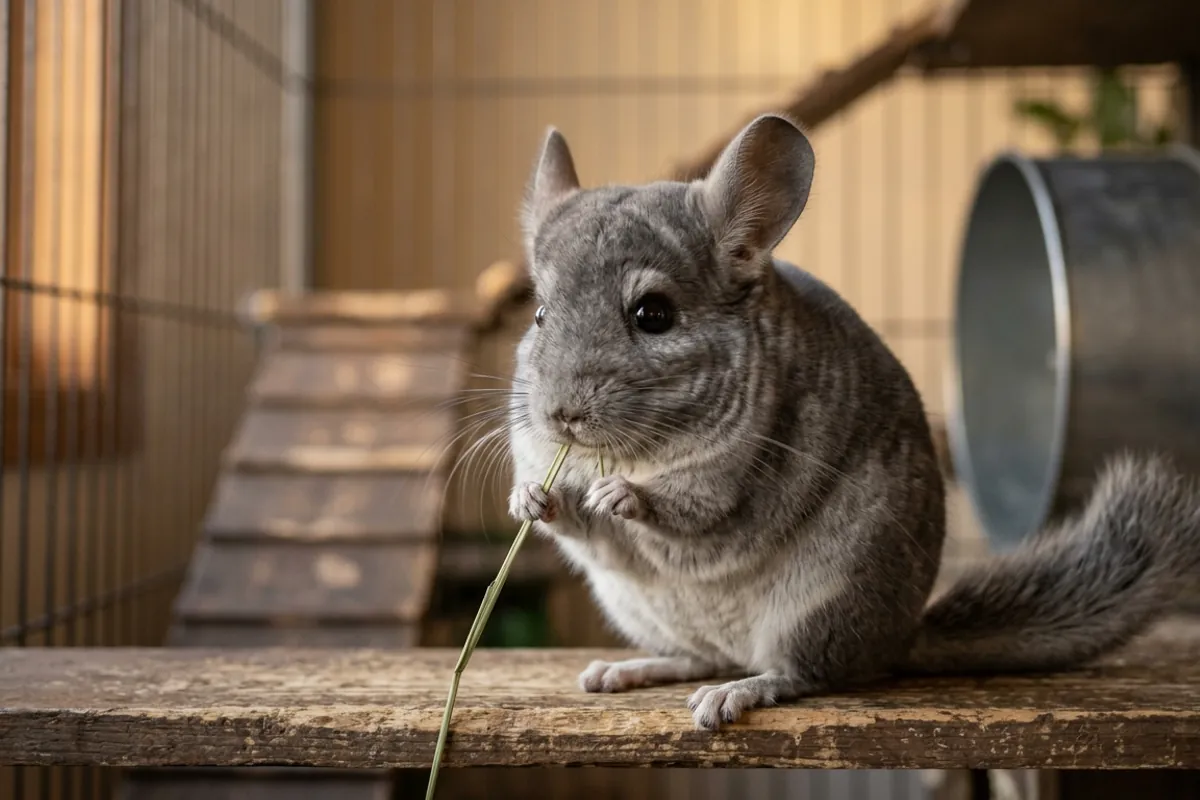
Watch the animal before you touch it. A healthy chinchilla is alert, moves easily, and holds a dense, even coat of silver-gray fur with no bald patches, no wet chin, no crust around the eyes or nose. A wet or matted chin is a warning sign for dental trouble, because a chinchilla that drools is a chinchilla whose teeth may be overgrowing. Check that the front teeth are aligned and orange-yellow, not white and not splayed. If you can, ask to watch it eat a piece of hay: a chinchilla that turns its head oddly, drops food, or seems to chew painfully needs a vet, not a new owner in a hurry. I go deeper on what to look for in spotting dental problems early, because this is the issue I would least want you to miss.
Look at the environment too. Is it cool, ideally in that 60 to 70°F (15 to 21°C) comfort band? Is there hay available, or just pellets and treats? Is the water clean? Is the wheel a solid running surface or a wire deathtrap? These tell you how the animal was kept, which predicts the problems you will inherit. And ask the boring questions: how old is it, has it been handled, is it eating and pooping normally, why is it available. A seller who welcomes those questions is one worth buying from. For a fuller walkthrough of vetting a seller without getting hurt or ripped off, I put it all in how to buy a chinchilla for sale safely.
The setup has to exist before the chinchilla does
This is the part people get backwards. They find the animal first, fall in love, and scramble for equipment afterward. Do it the other way. The habitat should be built, cool, and running before you bring anyone home, because a chinchilla stressed by a heatwave in a half-finished cage is a chinchilla in danger from day one.
You need a tall metal-and-wood cage with wooden ledges, no plastic, big enough for real vertical jumping. I walked through choosing one without buying the wrong cage twice in the cage guide, and the full arrangement in chinchilla cage setup. Critter Nation double unit small animal cage As an Amazon Associate I earn from qualifying purchases. You need unlimited grass hay as the foundation of the diet, with plain pellets as a measured supplement, never a muesli mix. Oxbow Western Timothy Hay, 9 lb box As an Amazon Associate I earn from qualifying purchases. You need fine volcanic pumice dust for dust baths, because chinchillas clean themselves in dust and must never be bathed in water, which wrecks their dense coat and can chill them. Lixit Blue Beauty chinchilla dust, 3 lb As an Amazon Associate I earn from qualifying purchases. And you need a plan for heat before summer arrives, not during it: a room you can keep under 75°F, and a way to know when you are in trouble. I built a heat danger calculator for exactly that moment, and if you take one thing from me, let it be that heat kills these animals faster than almost anything else.
Get the room cool, the cage built, the hay stocked, and the dust ready first. Then go answer that "chinchilla near me" search with a clear head, take your time at whichever door you choose, and bring home an animal you are prepared for. The right chinchilla is worth waiting and driving for. The wrong rush is worth avoiding. For the wider picture of living well with one, the chinchilla care guide is where I would send you next.