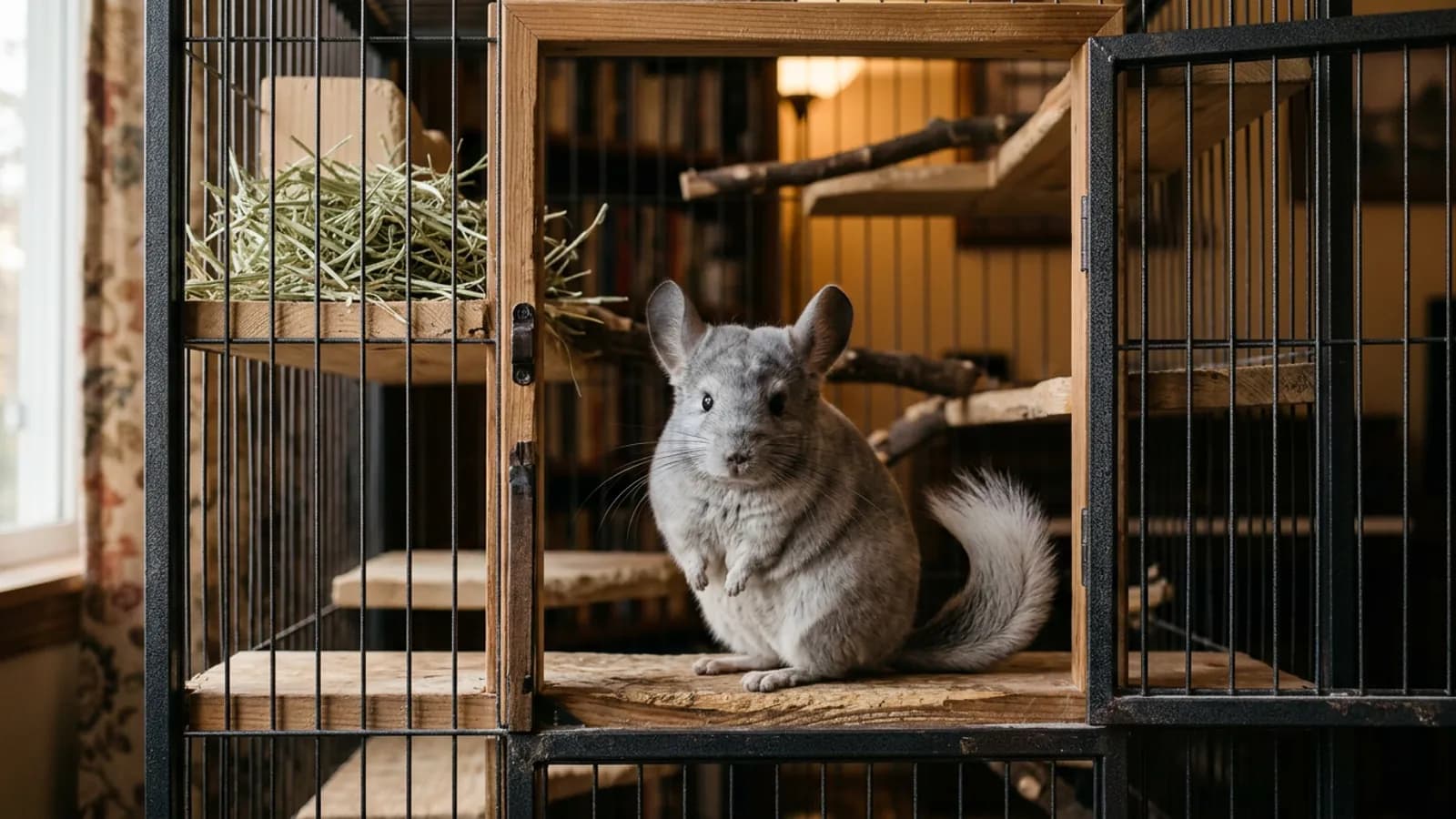
If you have typed petsmart chinchilla into a search bar, you are probably standing in one of two places. Either you saw one in a store and fell a little in love, or you are pricing out what it would take to bring one home. I have kept chinchillas for about ten years, and I want to walk you through what that search actually turns up, because the number on the glass is the smallest one you will deal with all year. The animal is cheap next to the well over a decade of care standing behind it, and a chinchilla that lives that long is a promise, not a purchase.
Does PetSmart actually sell chinchillas?
The honest answer is: sometimes, and it depends on the store. PetSmart's live animals lean heavily toward the small rodents most people already know, the hamsters and gerbils and mice, and chinchillas are not a fixed part of that lineup the way a guinea pig might be. Some locations carry them, many do not, and whether a given store has one in the week you walk in changes with region, season, and supplier. Whether you type it PetSmart, pet smart, or chinchilla pet smart into the search box, the same thing is true: availability is patchy, so call the specific store before you drive across town for it.
That patchiness matters more than it sounds. A chinchilla is a long-lived, high-strung animal with narrow care requirements, and it is not the kind of pet a store can move quickly. When a big-box location does have one, it is often a single standard grey animal that has been sitting in a small display for a while. None of that makes the chinchilla bad. It just means you should treat the sighting as the start of your research, not the end of it. Do not let a store visit turn into an impulse buy, because a chinchilla you were not ready for is how most of the rescues I know ended up as rescues.
How much a chinchilla costs at PetSmart
The question I get asked most is some version of how much do chinchillas cost at PetSmart, so let me give you the honest shape of it. The animal itself, when a store has one, has generally run somewhere in the range of about 100 to 170 US dollars in the years I have watched prices, with a standard grey at the lower end and any of the fancier colours costing more. I want to be plain that this is a moving target: chinchilla cost at PetSmart varies by store and by time, I cannot promise the number you will see, and I would not trust any site that quotes you a single exact figure as if it were fixed. Walk in expecting a range, not a receipt you have already written.
Here is the part the sticker never says out loud. The petsmart chinchilla cost you see on the tag is the price of the animal alone, and the animal is the cheapest line in the whole budget. A chinchilla for sale at PetSmart is priced like a small pet, but it needs a setup closer to what you would build for a much larger one. So when someone tells me the chinchilla cost at PetSmart is a hundred and something and asks whether that is the whole cost, I tell them the truth, which is that they have just quoted me maybe a tenth of the first year. If you want the full accounting laid out, I walked through it in what a chinchilla really costs, from the price tag to the vet fund.
What the price tag leaves off
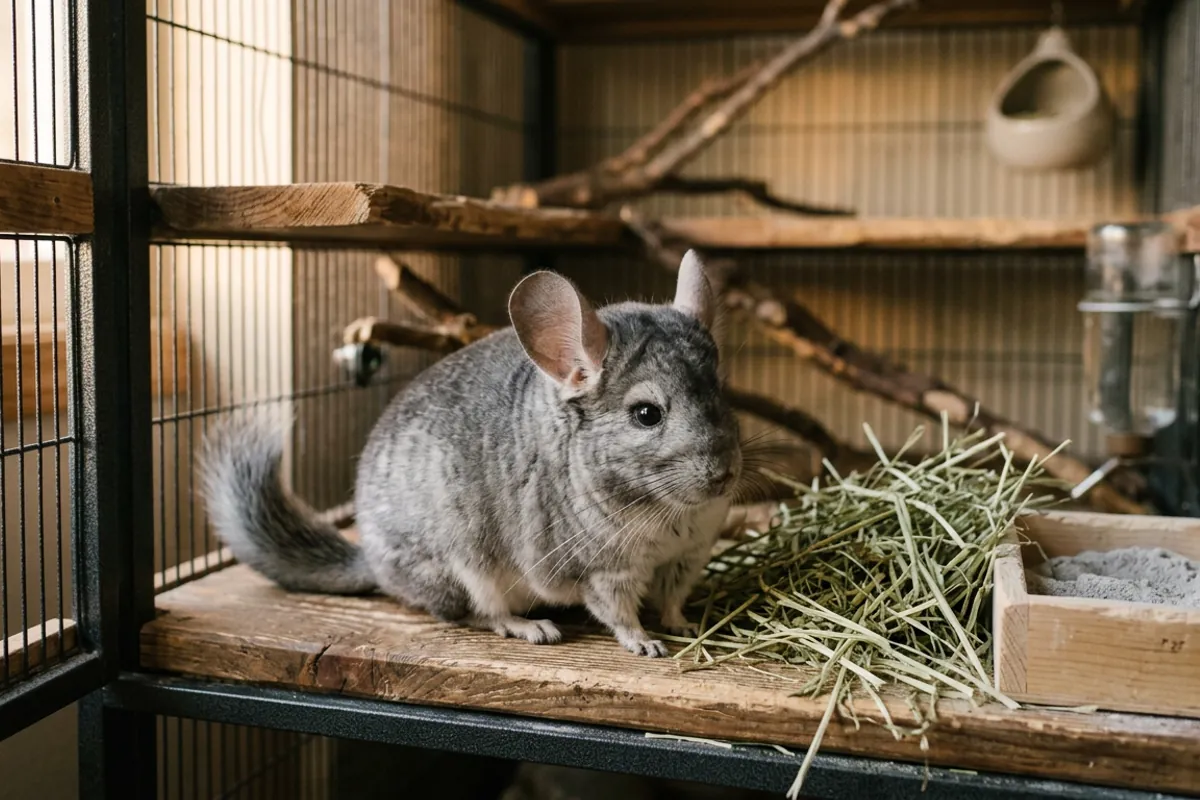
Start with the cage, because it is the single biggest cost and the one people get wrong most often. A chinchilla needs height to climb and jump, and it needs metal, not plastic, because a bored chinchilla chews everything and swallows some of it. A store starter kit sold beside the animal is usually too small and often has plastic shelves and pans. I would rather you buy a tall metal and wood enclosure once than replace a cramped one twice.
Critter Nation double unit small animal cage As an Amazon Associate I earn from qualifying purchases.
I wrote a whole honest breakdown of the store version in the honest truth about a PetSmart chinchilla cage, and a broader buying guide in how to pick the best chinchilla cage without buying the wrong one twice. The short version is that the cage is where the real money goes, and it is worth doing right.
Then the running gear. Chinchillas need to move, and they need a wheel with a solid running surface, never a wire rung or a mesh one, because thin wire catches toes and tails and does real damage.
15 inch Chin Spin solid surface chinchilla wheel As an Amazon Associate I earn from qualifying purchases.
After that comes the part of the budget that never ends: hay. Chinchillas eat unlimited grass hay first, every day, for their whole lives, with plain pellets only as a small measured supplement on top. Timothy hay is not a treat you buy once, it is the base of the diet and the single most important thing for their gut and their teeth.
Oxbow Western Timothy Hay, 9 lb box As an Amazon Associate I earn from qualifying purchases.
My Juniper came to me as a neglected rescue with dental disease, and managing her teeth day to day is why I am uncompromising about this. Hay and a real variety of hard chews are what keep chinchilla teeth worn down, because their teeth grow for life and a soft diet lets them overgrow into something an exotics vet has to fix under anaesthetic. That is why I keep a rotation of apple wood and other safe woods going in every cage.
emours apple wood chew sticks, 40 count As an Amazon Associate I earn from qualifying purchases.
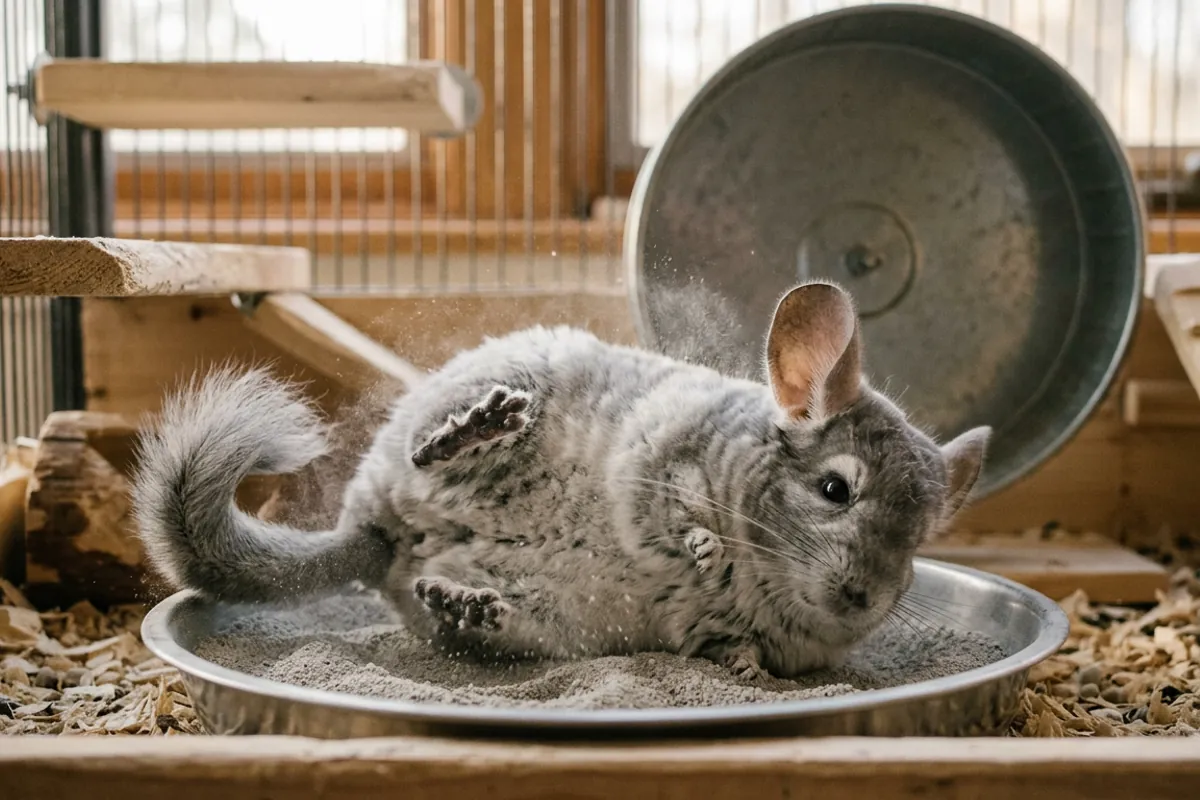
And then the dust. Chinchillas never bathe in water, only in fine dust, and a soaked chinchilla is a genuine problem, not a cute one. You need a proper chinchilla dust and a container to offer it in a couple of times a week.
Lixit Blue Beauty chinchilla dust, 3 lb As an Amazon Associate I earn from qualifying purchases.
None of these are optional extras. Add the cage, the wheel, the ongoing hay and pellets and dust, the odds and ends, and a vet fund on top, and the animal on the tag is a rounding error.
Pets at Home and chinchilla adoption
A lot of people searching this also type pets at home chinchilla adoption or chinchilla cost pets at home, so a quick word on that, with the honest caveat that I know the big US chains best and speak more carefully about the UK ones. Pets at Home in the UK runs a small-pet adoption scheme where animals that need rehoming are offered for a lower fee than a bought pet, and chinchillas do turn up in it because they are exactly the kind of long-lived animal people give up on when the novelty wears off. So chinchilla pet adoption through a store-linked program is a real route, and often a kinder one, because you are taking on an animal that already exists and needs a home rather than adding to demand.
If that route is open to you, I would take it seriously. An adopted chinchilla usually comes with at least some history, sometimes a known age, and a lower price, and the fee difference is small next to the setup you still have to buy. The one thing adoption does not change is everything in the section above: the cage, the hay, the dust, and the vet fund are the same whether the chinchilla came from a rescue, a store adoption scheme, or a price tag.
What to check before you buy one
If you do decide on buying a chinchilla at PetSmart, or anywhere with a counter, slow down and look the animal over before anything else. A healthy chinchilla is bright and alert, with clear eyes, a dry nose, clean ears, and a dry chin and mouth. A wet chin or drooling is one of the clearest warning signs of a dental problem, and I would not buy that animal without an exotics vet looking first; I explained why in chinchilla teeth problems and spotting malocclusion before it turns serious. Check the rear end is clean and dry too, because a messy bottom points at gut trouble.
Look at the coat and the body. The fur should be dense and even, without bald patches or a greasy look, and the animal should feel solid rather than bony when it moves, though you will mostly be judging by eye through the glass. Watch how it behaves. A chinchilla that is a little wary of a new face is normal; one that sits hunched, listless, and uninterested in its surroundings is not, and that is a reason to walk away rather than to rescue on the spot.
Ask about age and sex, and do not fully trust the answer. Big-box staff are generalists, not chinchilla keepers, and I have heard confidently wrong husbandry advice given at more than one counter, on temperature, on bathing, on diet. Mis-sexed animals are a real thing, and a mis-sexed pair is how people end up with a surprise litter they never planned for. If you want two, get them sexed properly by a vet before they share a cage. When in doubt, believe your own eyes and a good care guide over the counter, and chinchilla how to take care, the honest owner's checklist is a fair place to start.
Setting up before you bring one home
The mistake I want to save you from is buying the animal first and the setup second. Have the cage built, the wheel in, the hay stocked, and the dust ready before the chinchilla comes home, so the animal walks into a finished world instead of an empty one. That means the tall metal and wood cage from earlier, a solid wheel, unlimited timothy hay in a rack, a small measured portion of plain pellets, a good dust bath offered two or three times a week, and safe wood chews in rotation. A steady water bottle rounds it out.
The one thing I will never soften is temperature, and this is Pebble's story more than anyone's. She came to me from an overheated attic, and her first summer brought a heatwave near-miss and a night at the emergency vet that I still think about. Chinchillas are built for cold mountains and they cannot shed heat well. The comfortable range is 60 to 70°F (15 to 21°C). Above 75°F (24°C) starts to get risky, and 80°F (27°C) and up is an emergency, faster in humid air. That is not a comfort preference, it is the line between a healthy chinchilla and a dead one, so know the temperature of the room the cage will live in before you buy the animal.
Put a thermometer and hygrometer right by the cage so you are reading the air the chinchilla actually breathes, not a guess from across the house.
digital thermometer and humidity gauge with remote probes As an Amazon Associate I earn from qualifying purchases.
If your home runs warm in summer, a chinchilla is a serious commitment to cooling, and a solid stone the animal can lie against takes the edge off a warm afternoon while you sort out the room itself.
Kaytee Chinchilla Chiller granite stone As an Amazon Associate I earn from qualifying purchases.
I would read chinchilla temperature is the number that keeps yours alive before you commit, and run your worst-case summer day through the chinchilla heat danger calculator. If you cannot hold that room in range, that is worth knowing before there is an animal depending on you to.
Where I would look first, and when a store is fine
If you asked me where to start, it would not usually be a big-box counter. I would look first at chinchilla rescues and rehomes, then at a small, careful breeder who health-checks and can tell you the animal's age and line, because both routes tend to hand you a healthier animal and honest information. I laid out how to do that without getting hurt or ripped off in how to buy a chinchilla without regretting it later and how to find a chinchilla near me without bringing home trouble. If you are weighing the two big chains against each other, I also compared the store experience in what a Petco chinchilla really costs, and what to check before you buy.
That said, I am not going to tell you a store animal is off limits. A chinchilla from PetSmart that is bright, dry-chinned, alert, and going home to a setup you have already built can do perfectly well, and an animal already in a store display still deserves a good home. The thing that decides the outcome is almost never where the chinchilla came from. It is whether you were ready: the metal cage up, the hay unlimited, the chews in rotation, the room holding 60 to 70°F, and a vet fund set aside for the day something goes wrong. Get those right and the sticker price becomes the least interesting number in the whole story, which is exactly where it belongs.